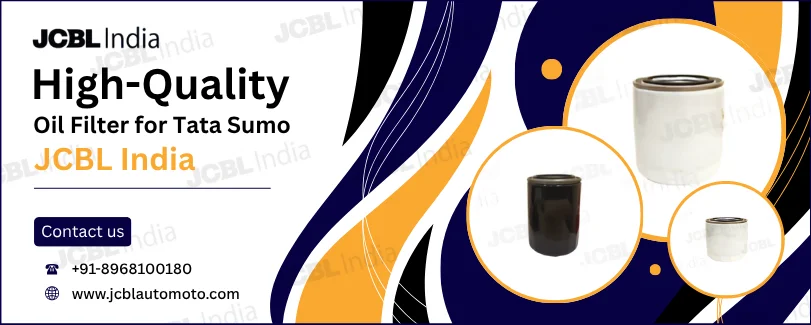
An oil filter is one of the most critical components in an engine lubrication system. It removes contaminants, metal particles, carbon deposits, and other impurities from engine oil before the oil circulates through the engine. In vehicles like the Tata Sumo, a high-quality oil filter helps maintain engine efficiency, reduce wear, and support long-term reliability.
For importers, distributors, workshops, and fleet maintenance providers, selecting the right oil filter is essential for ensuring consistent filtration performance, proper fitment, and reduced engine maintenance issues. OEM-spec replacement oil filters offer an effective balance of quality, reliability, and cost-efficiency for global sourcing requirements.
What Is an Oil Filter?
An oil filter is a filtration component designed to remove harmful contaminants from engine oil before the oil reaches critical engine parts.
Its primary functions include:
- Filtering dirt, dust, and metal particles
- Maintaining clean lubrication throughout the engine
- Supporting smooth oil circulation
- Protecting engine components from premature wear
- Improving overall engine efficiency
Oil filters are installed within the engine lubrication system and operate continuously whenever the engine is running.
How It Works in the Tata Sumo Lubrication System
The oil filter plays an important role in protecting the Tata Sumo engine from contamination.
The process works as follows:
- Engine oil is pumped from the oil sump.
- Oil passes through the filter media.
- Contaminants and debris are trapped inside the filter.
- Clean oil continues circulating through engine components.
- Lubricated components experience reduced friction and wear.
By ensuring clean oil reaches critical engine parts, the filter contributes to reliable engine operation and improved service life.
Why the Oil Filter Is Critical for Tata Sumo
The Tata Sumo is commonly used in commercial transportation, fleet operations, rural mobility, and demanding driving conditions. These applications often expose engines to dust, heavy loads, and extended operating hours.
A high-quality oil filter helps ensure:
- Cleaner engine lubrication
- Reduced engine wear
- Improved fuel efficiency
- Longer engine service life
- Consistent engine performance
- Lower maintenance requirements
For distributors and workshops, supplying reliable filtration components helps reduce customer complaints and improve service outcomes.
Signs of a Worn-Out or Clogged Oil Filter
Oil filters should be replaced at recommended service intervals to maintain optimal engine protection.
Common signs of a failing or clogged oil filter include:
- Reduced engine performance
- Increased engine noise
- Contaminated or dirty engine oil
- Reduced oil pressure
- Excessive engine wear
- Frequent maintenance issues
Ignoring filter replacement can lead to accelerated engine deterioration and higher repair costs.
Technical Parameters That Define OEM-Standard Oil Filters
- Filtration Efficiency: High-quality filter media effectively capture harmful contaminants while allowing adequate oil flow throughout the engine.
- Oil Flow Performance: Optimized internal design ensures smooth and uninterrupted oil circulation under varying operating conditions.
- Structural Strength: Durable housing construction withstands pressure fluctuations, vibration, and demanding operating environments.
- Seal Integrity: Quality sealing materials help prevent oil leakage and maintain lubrication system efficiency.
- Service Life: OEM-spec replacement filters are designed to provide reliable filtration performance throughout recommended maintenance intervals.
Together, these characteristics contribute to dependable engine protection and long-term operating efficiency.
OEM-Standard vs Low-Quality Oil Filters
| Parameter | OEM-Spec Replacement Oil Filter | Low-Quality Oil Filter |
| Filtration Efficiency | High and consistent | Variable |
| Oil Flow | Optimized | Restricted |
| Fitment Accuracy | Precise | Installation issues possible |
| Durability | Long-lasting | Reduced lifespan |
| Seal Performance | Reliable | Leakage risk |
| Engine Protection | Superior | Limited |
For B2B buyers, these differences directly affect product reliability, customer satisfaction, and warranty-related costs.
Why Batch Consistency Matters in Bulk Procurement
Consistency across production batches is a critical factor when sourcing automotive filtration components.
Batch consistency helps ensure:
- Uniform filtration performance
- Reliable fitment across all units
- Predictable maintenance outcomes
- Reduced warranty claims
- Improved inventory management
- Consistent customer experience
For importers and distributors, dependable batch quality supports long-term supply chain efficiency.
OEM Mapping & Cross-Reference Accuracy
OEM Reference Numbers
Corresponding Part Numbers
- JCTA-6014
- JCTA-6012
- JCTA-6011
Accurate OEM mapping helps:
- Ensure compatibility with Tata Sumo applications
- Reduce sourcing and inventory errors
- Improve procurement efficiency
- Support faster product identification
- Simplify maintenance planning
Using verified cross-reference information is essential for correct product selection.
Why Global Buyers Source Automotive Filters from India
India has emerged as a leading sourcing destination for automotive replacement components due to its strong manufacturing ecosystem and export capabilities.
Key advantages include:
- Extensive automotive component expertise
- Availability of OEM-spec replacement parts
- Scalable production capabilities
- Robust quality control processes
- Competitive global sourcing advantages
- Reliable export infrastructure
These strengths make India a preferred sourcing hub for distributors, wholesalers, and aftermarket buyers worldwide.
Application & Installation Considerations
Proper installation and timely replacement are important for achieving maximum filtration performance.
Best practices include:
- Replace filters according to service schedules
- Use the correct filter specification
- Inspect sealing surfaces before installation
- Lubricate seals when required
- Avoid over-tightening during installation
- Verify oil pressure after replacement
Proper installation helps maintain lubrication system efficiency and supports long-term engine health.
Conclusion
The oil filter is a vital component that directly influences engine cleanliness, lubrication efficiency, and long-term reliability in Tata Sumo vehicles. Whether identified through OEM numbers 254718130117, 278918130104, and G254718130115 or corresponding replacement part numbers JCTA-6014, JCTA-6012, and JCTA-6011, selecting an OEM-spec replacement oil filter is essential for maintaining consistent engine performance.
High-quality replacement filters engineered to match OEM fitment and performance standards help ensure effective contaminant removal, smooth oil circulation, and extended engine life. For importers, distributors, workshops, and fleet operators, sourcing reliable filtration components contributes to reduced maintenance risks, improved operational efficiency, and greater customer satisfaction.
Suppliers specializing in OEM-spec replacement automotive components provide dependable filtration solutions that support global aftermarket requirements while delivering consistent quality and fitment confidence.
FAQs
What is the function of an oil filter in Tata Sumo?
An oil filter removes contaminants and impurities from engine oil, helping maintain clean lubrication and protecting engine components from wear.
How often should an oil filter be replaced?
Oil filters are typically replaced during scheduled engine oil changes, following the vehicle manufacturer’s maintenance recommendations.
What happens if an oil filter becomes clogged?
A clogged oil filter can restrict oil flow, reduce lubrication efficiency, increase engine wear, and negatively impact engine performance.
How can I identify the correct oil filter for Tata Sumo?
The correct filter can be identified using OEM reference numbers 254718130117, 278918130104, G254718130115, or the corresponding replacement part numbers.
Why is OEM mapping important when sourcing oil filters?
OEM mapping helps ensure accurate fitment, reduces procurement errors, and improves inventory management efficiency.